
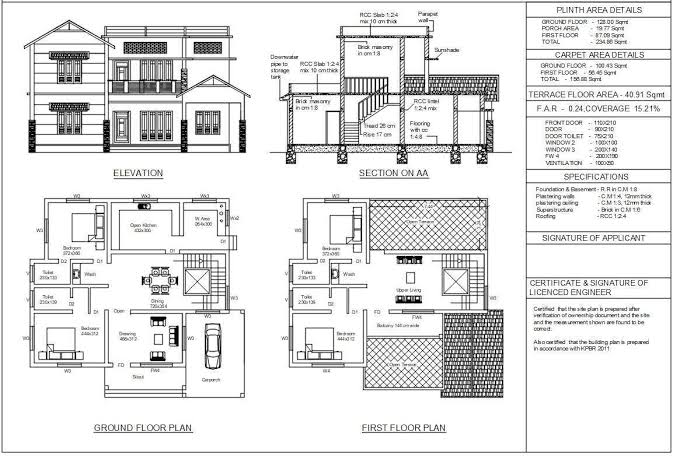
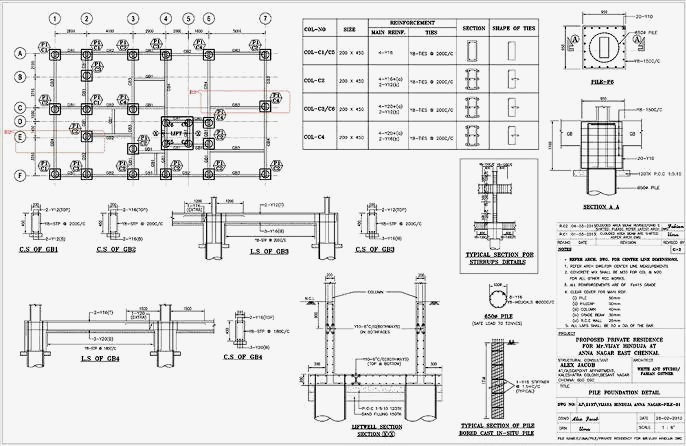
Drawings are a crucial part of the billing process in construction. They provide a visual representation of the work completed, which helps to:
- Verify the scope of work: Ensure that the work completed matches the original scope of work.
- Quantify the work completed: Provide a clear illustration of the quantity of work completed, which is essential for accurate billing.
- Support payment claims: Serve as evidence to support payment claims and help to resolve disputes.
Types of Drawings Required for Billing
The following types of drawings are commonly required for billing in construction:
- Architectural Drawings: These drawings illustrate the design and layout of the building, including:
- Floor plans
- Elevations
- Sections
- Detail drawings
- Structural Drawings: These drawings show the structural elements of the building, including:
- Beams
- Columns
- Foundations
- Framing plans
- Shop Drawings: These drawings illustrate the fabrication and installation of specific components, such as:
- Steelwork
- Ductwork
- Pipework
- Electrical and plumbing systems
- As-Built Drawings: These drawings show the actual construction of the project, including any changes or modifications made during construction.
- Detail Drawings: These drawings provide detailed illustrations of specific components or systems, such as:
- Electrical systems
- Plumbing systems
- HVAC systems
- Fire suppression systems
Best Practices for Submitting Drawings for Billing
To ensure that your drawings are accepted for billing, follow these best practices:
- Submit drawings on time: Ensure that drawings are submitted in accordance with the project schedule.
- Use standard drawing formats: Use standard drawing formats, such as AutoCAD or Revit, to ensure compatibility.
- Include all required information: Ensure that drawings include all required information, such as dimensions, quantities, and specifications.
- Verify accuracy: Verify the accuracy of drawings before submission.
Conclusion
Drawings are a critical component of the billing process in construction. By submitting accurate and detailed drawings, contractors and subcontractors can ensure timely payment and avoid disputes. Remember to follow best practices for submitting drawings, and include all required types of drawings to support your billing claims.
[Call-to-Action button: Download our free guide to construction billing]